
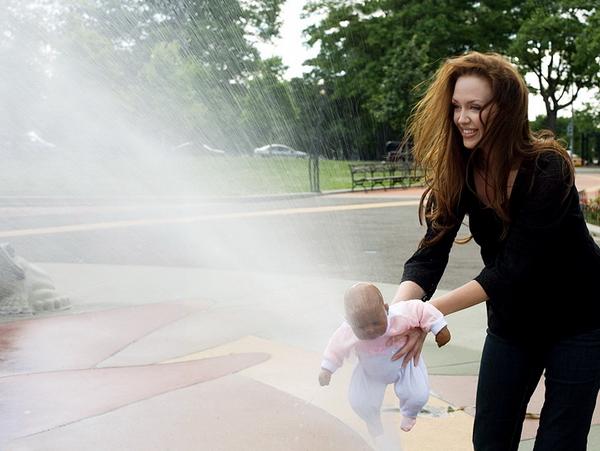
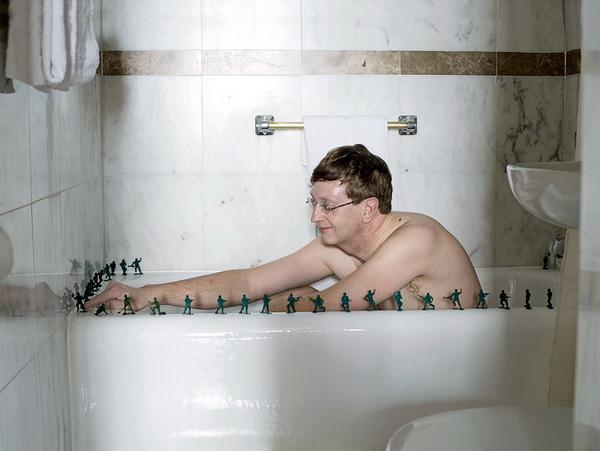
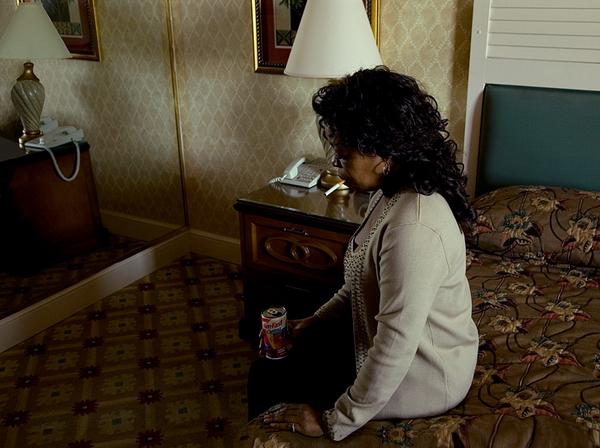
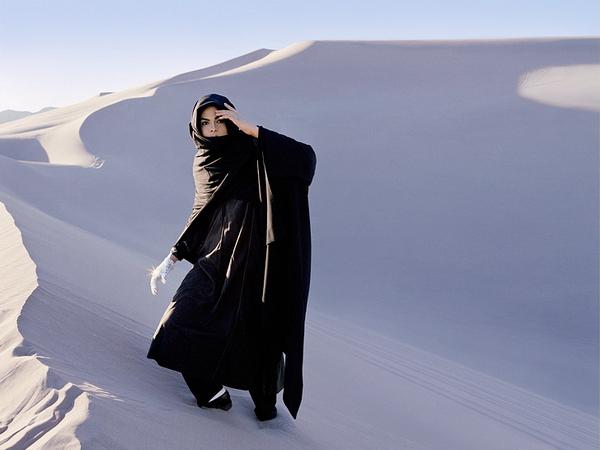
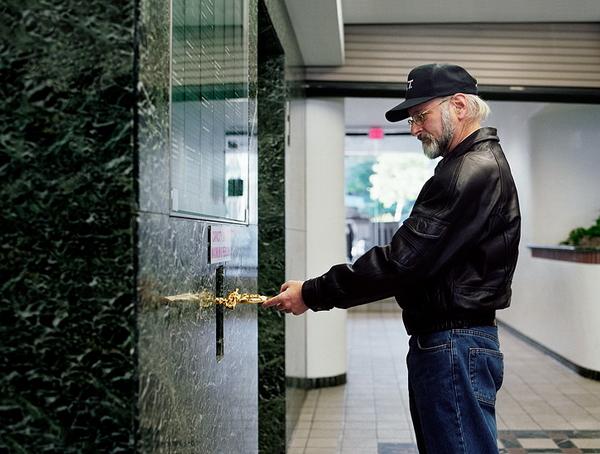
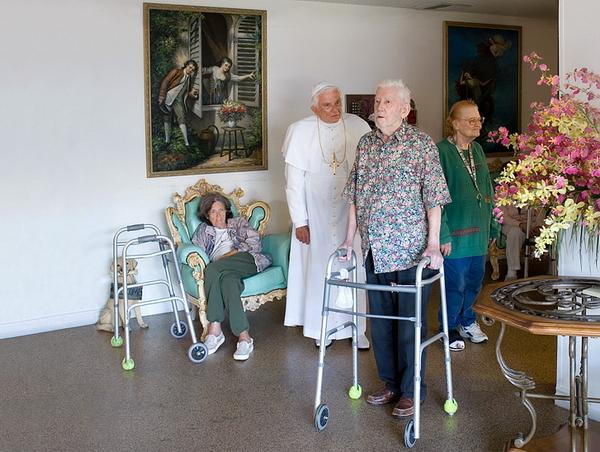
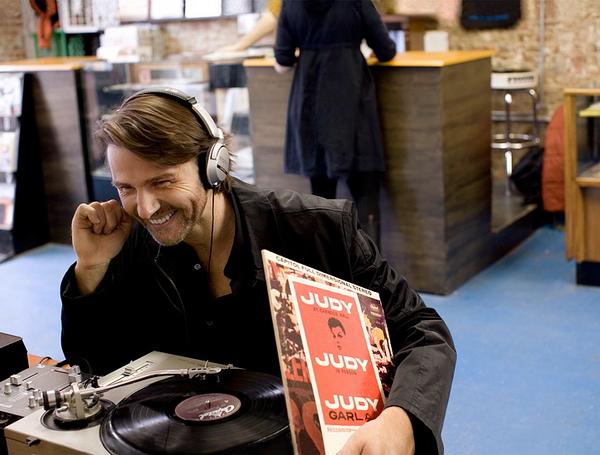
Chris Buck’s Isn’t series takes celebrity look-a-likes and puts them in pop culture scenarios. I found this set on HOW but after seeing the rest of his portfolio I wanted to show them all! His conceptual work and portraiture is so brilliant.




Chris Buck is an Academy-Award nominated film director known for directing Tarzan and Surf’s Up. He also worked as supervising animator on Home on the Range and Chicken Little.
Buck’s other credits at Disney include the 1995 animated feature Pocahontas, where he oversaw the animation of three central characters: Percy, Grandmother Willow and Wiggins. Buck also helped design characters for the 1989 animated blockbuster The Little Mernaid, performed experimental animation for The Rescuers Down Under and Who Framed Roger Rabbit?, and was an animator on The Fox and the Hound.
Buck helped develop several films at Hyperion Pictures and served as a directing animator on the feature Bebe’s Kids. He storyboarded director Tim Burton’s live-action featurette Frankenweenie and worked with Burton again as directing animator on the Brad Bird-directed “Family Dog” episode of Steven Spielberg’s Amazing Stories and as director of the subsequent primetime animated series.
Buck’s credits include a number of animated commercials (including some with the Keebler Elves) for such Los Angeles-based production entities as FilmFair, Kurtz & Friends, and Duck Soup.
A native of Wichita, Kansas, Buck studied character animation for two years at CalArts, where he also taught from 1988–1993.

 Teenage Pop Star Miley Cyrus
 American Pie Reunion Promotion
 Celebrities With and Without Mak...
 Sex Symbol Chris Hemsworth
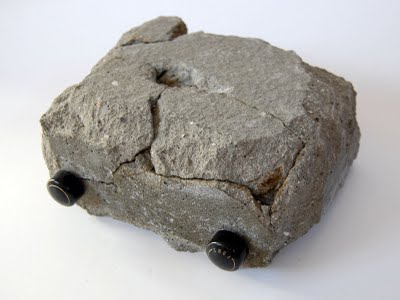 Rock Radio


